सञ्जय उवाच ।
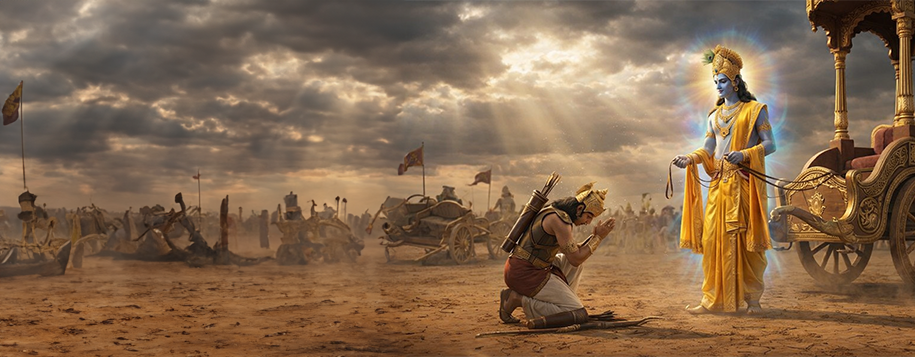
तं तथा कृपयाविष्टमश्रुपूर्णाकुलेक्षणम् ।
विषीदन्तमिदं वाक्यमुवाच मधुसूदन: ॥
sañjaya uvāca
taṃ tathā kṛpayāviṣṭam-aśru-pūrṇākulekṣaṇam
viṣīdantam-idaṃ vākyam-uvāca madhusūdana: – 2.1
Sanjaya said: To the grieving Arjuna, who was overpowered thus by sympathy, with tears dimming his vision, Madhusudana (Krishna) spoke thus:
श्रीभगवानुवाच ।
कुतस्त्वा कश्मलमिदं विषमे समुपस्थितम् ।
अनार्यजुष्टमस्वर्ग्यमकीर्तिकरमर्जुन ॥
śrī bhagavān-uvāca
kutas-tvā kaśmalam-idaṃ viṣame samupasthitam
anāryajuṣṭam-asvargyam-akīrti-karam-arjuna – 2.2
Lord Krishna said: From where has this unmanliness befallen you, Arjuna, in this critical hour? Neither is it honoured by the wise, nor does it lead to heaven. It only brings disrepute.
क्लैब्यं मा स्म गम: पार्थ नैतत्त्वय्युपपद्यते ।
क्षुद्रं हृदयदौर्बल्यं त्यक्त्वोत्तिष्ठ परन्तप ॥
klaibyaṃ mā sma gama: pārtha naitat-tvayy-upapadyate
kṣudraṃ hṛdaya-daurbalyaṃ tyaktvottiṣṭha parantapa – 2.3
Do not give vent to this kind of unmanliness, O Partha (Arjuna). It does not behove you the least. Such meanness of heart is trifling indeed. Eschew it outright, and get up, O scorcher of enemies!
अर्जुन उवाच ।
कथं भीष्ममहं संख्ये द्रोणं च मधुसूदन ।
इषुभि: प्रतियोत्स्यामि पूजार्हावरिसूदन ॥
arjuna uvāca
kathaṃ bhīṣmam-ahaṃ saṅkhye droṇaṃ ca madhusūdana
iṣubhi: pratiyotsyāmi pūjārhāv-arisūdana – 2.4
Arjuna said: How can I, O Madhusudana, counter Bheeshma and Drona with arrows, those who deserve worship from me, O Arisudana (Krishna)?
गुरूनहत्वा हि महानुभावान्
श्रेयो भोक्तुं भैक्ष्यमपीह लोके ।
हत्वार्थकामांस्तु गुरूनिहैव
भुञ्जीय भोगान् रुधिरप्रदिग्धान् ॥
gurūn-ahatvā hi mahānubhāvān
śreyo bhoktuṃ bhaikṣyam-apīha loke
hatvārthakāmāṃs-tu gurūn-ihaiva
bhuñjīya bhogān rudhira-pradigdhān – 2.5
Instead of killing these high-souled Teachers, it is better to live here on alms. After killing the Teachers, whatever we enjoy in this world will be stained by their blood. We will also have abandoned dharma and moksha of the fourfold purusharthas, clinging only to artha and kama.
न चैतद्विद्म: कतरन्नो गरीयो
यद्वा जयेम यदि वा नो जयेयु: ।
यानेव हत्वा न जिजीविषाम:-
तेऽवस्थिता: प्रमुखे धार्तराष्ट्रा: ॥
na caitad-vidma: kataran-no garīyo
yad-vā jayema yadi vā no jayeyu:
yān-eva hatvā na jijīviṣāma:-
te‘vasthitā: pramukhe dhārtarāṣṭrā: – 2.6
We do not know which indeed is better, more virtuous – whether we should win or they should win over us. After killing whom, we do not aspire to live, those very souls are standing in front on the side of Dhritarashtra.
कार्पण्यदोषोपहतस्वभाव:
पृच्छामि त्वां धर्मसंमूढचेता: ।
यच्छ्रेय: स्यान्निश्चितं ब्रूहि तन्मे
शिष्यस्तेऽहं शाधि मां त्वां प्रपन्नम् ॥
kārpaṇya-doṣopahata-svabhāva:
pṛcchāmi tvāṃ dharma-sammūḍha-cetā:
yacchreya: syān-niścitaṃ brūhi tan-me
śiṣyaste’haṃ śādhi māṃ tvāṃ prapannam – 2.7
Overpowered by narrow-mindedness, deluded I am in adjudging the right path of dharma. So, I beseech you to tell me decisively what will fetch lasting good. I am your disciple. Instruct me, who has taken refuge under you, my Teacher.
न हि प्रपश्यामि ममापनुद्याद्
यच्छोकमुच्छोषणमिन्द्रियाणाम् ।
अवाप्य भूमावसपत्नमृद्धम्
राज्यं सुराणामपि चाधिपत्यम् ॥
na hi prapaśyāmi mamāpanudyād
yacchokam-ucchoṣaṇam-indriyāṇām
avāpya bhūmāvasapatnam-ṛddham
rājyaṃ surāṇām-api cādhipatyam – 2.8
I do not see anything to redress the sorrow scorching my senses. Gaining unrivalled kingship on earth or lordship over gods above, will be of no avail to me.
सञ्जय उवाच ।
एवमुक्त्वा हृषीकेशं गुडाकेश: परन्तप ।
न योत्स्य इति गोविन्दमुक्त्वा तूष्णीं बभूव ह ॥
sañjaya uvāca
evam-uktvā hṛṣīkeśaṃ guḍākeśa: parantapa
na yotsya iti govindam-uktvā tūṣṇīṃ babhūva ha – 2.9
Sanjaya said: Having told Krishna (Hrishikesha, Lord of the senses) like this, Arjuna (Gudakesha, conqueror of sleep), the tormenter of enemies, became silent telling Govinda (Krishna), “I shall not fight.”
तमुवाच हृषीकेश: प्रहसन्निव भारत ।
सेनयोरुभयोर्मध्ये विषीदन्तमिदं वच: ॥
tam-uvāca hṛṣīkeśa: prahasann-iva bhārata
senayor-ubhayor-madhye viṣīdantam-idaṃ vaca: – 2.10
Krishna (Hrishikesha) spoke these words, as if smilingly, to him, who was standing aggrieved between the two armies.
श्रीभगवानुवाच ।
अशोच्यानन्वशोचस्त्वं प्रज्ञावादांश्च भाषसे ।
गतासूनगतासूंश्च नानुशोचन्ति पण्डिता: ॥
śrī bhagavān-uvāca
aśocyān-anvaśocas-tvaṃ prajñā-vādāṃś-ca bhāṣase
gatāsūn-agatāsūṃś-ca nānuśocanti paṇḍitā: – 2.11
Lord Krishna said: You are grieving for those who should not be grieved for at all. The spiritually wise grieve not for the living or the dead!
न त्वेवाहं जातु नासं न त्वं नेमे जनाधिपा: ।
न चैव न भविष्याम: सर्वे वयमत: परम् ॥
na tvevāhaṃ jātu nāsaṃ na tvaṃ neme janādhipā:
na caiva na bhaviṣyāma: sarve vayam-ata: param – 2.12
There was no time when I was not, you were not, or these kings were not. Nor shall all of us ever cease to be.
देहिनोऽस्मिन्यथा देहे कौमारं यौवनं जरा ।
तथा देहान्तरप्राप्तिर्धीरस्तत्र न मुह्यति ॥
dehino’smin-yathā dehe kaumāraṃ yauvanaṃ jarā
tathā dehāntara-prāptir-dhīras-tatra na muhyati – 2.13
Just as the one dwelling in the body undergoes childhood, youth and old age, so too is the transition from the body. The wise one is not deluded about it.
मात्रास्पर्शास्तु कौन्तेय शीतोष्णसुखदु:खदा: ।
आगमापायिनोऽनित्यास्तांस्तितिक्षस्व भारत ॥
mātrā-sparśās-tu kaunteya śītoṣṇa-sukha-du:kha-dā:
āgamāpāyino’nityās-tāṃs-titikṣasva bhārata – 2.14
Contacts between the senses and their objects, O son of Kunti, produce sukha-du:khas (joy and sorrow), like cold and heat. O Bharata, they come and go, hence are transitory. You must forbear them.
यं हि न व्यथयन्त्येते पुरुषं पुरुषर्षभ ।
समदु:खसुखं धीरं सोऽमृतत्वाय कल्पते ॥
yaṃ hi na vyathayanty-ete puruṣaṃ puruṣarṣabha
sama-du:kha-sukhaṃ dhīraṃ so’mṛtatvāya kalpate – 2.15
Whoever is not tormented by these, O Purusharshabha (Arjuna), that wise human, equanimous in sukha-du:khas, is fit for immortality, liberation.
नासतो विद्यते भावो नाभावो विद्यते सत: ।
उभयोरपि दृष्टोऽन्तस्त्वनयोस्तत्त्वदर्शिभि: ॥
nāsato vidyate bhāvo nābhāvo vidyate sata:
ubhayor-api dṛṣṭo’ntas-tvanayos-tattva-darśibhi: – 2.16
The ‘unreal’ has no expression. The ‘real’ will never cease to be. By experts in the knowledge of Truth, the difference between the two (the Real and the Unreal) has clearly been ascertained.
अविनाशि तु तद्विद्धि येन सर्वमिदं ततम् ।
विनाशमव्ययस्यास्य न कश्चित् कर्तुमर्हति ॥
avināśi tu tad-viddhi yena sarvam-idaṃ tatam
vināśam-avyayasyāsya na kaścit kartum-arhati – 2.17
Know that, by which all this is permeated, to be indestructible, imperishable. None will be able to destroy this permeating presence.
अन्तवन्त इमे देहा नित्यस्योक्ता: शरीरिण: ।
अनाशिनोऽप्रमेयस्य तस्माद्युध्यस्व भारत ॥
antavanta ime dehā nityasyoktā: śarīriṇa:
anāśino’prameyasya tasmād-yudhyasva bhārata – 2.18
But these bodies in which dwells the eternal, indestructible and immeasurable Self, are said to be terminable. Hence fight, O descendent of Bharata!
य एनं वेत्ति हन्तारं यश्चैनं मन्यते हतम् ।
उभौ तौ न विजानीतो नायं हन्ति न हन्यते ॥
ya enaṃ vetti hantāraṃ yaścainaṃ manyate hatam
ubhau tau na vijānīto nāyaṃ hanti na hanyate – 2.19
Whoever knows this Soul as killer and whoever knows It as killed, both of them do not know the truth. The Soul neither kills nor can be killed.
न जायते म्रियते वा कदाचित्-
नायं भूत्वा भविता वा न भूय: ।
अजो नित्य: शाश्वतोऽयं पुराणो
न हन्यते हन्यमाने शरीरे ॥
na jāyate mriyate vā kadācit-
nāyaṃ bhūtvā bhavitā vā na bhūya:
ajo nitya: śāśvato’yaṃ purāṇo
na hanyate hanyamāne śarīre – 2.20
The Soul is not born, nor does It ever die. After having been present, It will not cease to be either. Unborn, ever present, permanent, most ancient, It is not killed when the body is killed.
वेदाविनाशिनं नित्यं य एनमजमव्ययम् ।
कथं स पुरुष: पार्थ कं घातयति हन्ति कम् ॥
vedāvināśinaṃ nityaṃ ya enam-ajam-avyayam
kathaṃ sa puruṣa: pārtha kaṃ ghātayati hanti kam – 2.21
How can one who knows this indwelling presence as indestructible, eternal, unborn and inexhaustible ever kill another or cause another to kill?
वासांसि जीर्णानि यथा विहाय
नवानि गृह्णाति नरोऽपराणि ।
तथा शरीराणि विहाय जीर्णानि-
अन्यानि संयाति नवानि देही ॥
vāsāṃsi jīrṇāni yathā vihāya
navāni gṛhṇāti naro’parāṇi
tathā śarīrāṇi vihāya jīrṇāni-
anyāni saṃyāti navāni dehī – 2.22
As clothes put on the body are discarded and new ones worn instead, so the indwelling spirit leaves aging bodies, and takes up new ones.
नैनं छिन्दन्ति शस्त्राणि नैनं दहति पावक: ।
न चैनं क्लेदयन्त्यापो न शोषयति मारुत: ॥
nainaṃ chindanti śastrāṇi nainaṃ dahati pāvaka:
na cainaṃ kledayanty-āpo na śoṣayati māruta: – 2.23
Weapons do not pierce the indwelling Soul, nor does fire burn It. Neither water wets It, nor wind dries It.
अच्छेद्योऽयमदाह्योऽयमक्लेद्योऽशोष्य एव च ।
नित्य: सर्वगत: स्थाणुरचलोऽयं सनातन: ॥
acchedyo’yam-adāhyo’yam-akledyo’śoṣya eva ca
nitya: sarva-gata: sthāṇur-acalo’yaṃ sanātana: – 2.24
This Soul cannot be cut, burnt, wetted or dried. This is eternal, everywhere present, unshakeable, unmoving and ever prevailing.
अव्यक्तोऽयमचिन्त्योऽयमविकार्योऽयमुच्यते ।
तस्मादेवं विदित्वैनं नानुशोचितुमर्हसि ॥
avyakto’yam-acintyo’yam-avikāryo’yam-ucyate
tasmād-evaṃ viditvainaṃ nānuśocitum-arhasi – 2.25
This Self is said to be indistinct, unthinkable, changeless. Knowing this to be so, you ought not to grieve.
अथ चैनं नित्यजातं नित्यं वा मन्यसे मृतम् ।
तथापि त्वं महाबाहो नैवं शोचितुमर्हसि ॥
atha cainaṃ nitya-jātaṃ nityaṃ vā manyase mṛtam
tathāpi tvaṃ mahābāho naivaṃ śocitum-arhasi – 2.26
Even if you think of the Soul as ever getting born or ever dying, then too, O Mahabahu (Arjuna), you should not grieve like this.
जातस्य हि ध्रुवो मृत्युर्ध्रुवं जन्म मृतस्य च ।
तस्मादपरिहार्येऽर्थे न त्वं शोचितुमर्हसि ॥
jātasya hi dhruvo mṛtyur-dhruvaṃ janma mṛtasya ca
tasmād-aparihārye’rthe na tvaṃ śocitum-arhasi – 2.27
For one born, death is certain. For one died, birth is also sure. Over this unpreventable plight, therefore, you ought not to grieve.
अव्यक्तादीनि भूतानि व्यक्तमध्यानि भारत ।
अव्यक्तनिधनान्येव तत्र का परिदेवना ॥
avyaktādīni bhūtāni vyakta-madhyāni bhārata
avyakta-nidhanāny-eva tatra kā paridevanā – 2.28
The beginning of all beings is indistinct. Their end too is unknown. The middle state, namely the duration called life, is alone distinct. This being so, what is the point in grieving?
आश्चर्यवत्पश्यति कश्चिदेनम्-
आश्चर्यवद्वदति तथैव चान्य: ।
आश्चर्यवच्चैनमन्य: शृणोति
श्रुत्वाप्येनं वेद न चैव कश्चित् ॥
āścaryavat-paśyati kaścid-enam-
āścaryavad-vadati tathaiva cānya:
āścaryavaccainam-anya: śṛṇoti
śrutvāpy-enaṃ veda na caiva kaścit – 2.29
Rarely one sees this Soul as wonderful, speaks of It as wonderful, hears about It as wonderful. And even after hearing none comes to know It well.
देही नित्यमवध्योऽयं देहे सर्वस्य भारत ।
तस्मात्सर्वाणि भूतानि न त्वं शोचितुमर्हसि ॥
dehī nityam-avadhyo’yaṃ dehe sarvasya bhārata
tasmāt-sarvāṇi bhūtāni na tvaṃ śocitum-arhasi – 2.30
In the body of all, the indwelling Self is ever indestructible. Hence you must not grieve over any being.
स्वधर्ममपि चावेक्ष्य न विकम्पितुमर्हसि ।
धर्म्याद्धि युद्धाच्छ्रेयोऽन्यत्क्षत्रियस्य न विद्यते ॥
svadharmam-api cāvekṣya na vikampitum-arhasi
dharmyāddhi yuddhācchreyo’nyat-kṣatriyasya na vidyate – 2.31
Considering the ethical propriety of your own conduct, you should not vacillate. For a fighter, there is no greater good than a righteous, ethically proper war like this.
यदृच्छया चोपपन्नं स्वर्गद्वारमपावृतम् ।
सुखिन: क्षत्रिया: पार्थ लभन्ते युद्धमीदृशम् ॥
yadṛcchayā copapannaṃ svarga-dvāram-apāvṛtam
sukhina: kṣatriyā: pārtha labhante yuddham-īdṛśam – 2.32
Immensely fortunate are the kshatriyas (warring community), who get the opportunity to fight a war of this kind, which chance has brought, opening the gates to heaven.
अथ चेत्त्वमिमं धर्म्यं संग्रामं न करिष्यसि ।
तत: स्वधर्मं कीर्तिं च हित्वा पापमवाप्स्यसि ॥
atha cet-tvam-imaṃ dharmyaṃ saṅgrāmaṃ na kariṣyasi
tata: svadharmaṃ kīrtiṃ ca hitvā pāpam-avāpsyasi – 2.33
If you will not fight this dharmic (righteous) war, then you will be incurring sin, as it will mean disregarding your own duty and fame.
अकीर्तिं चापि भूतानि कथयिष्यन्ति तेऽव्ययाम् ।
संभावितस्य चाकीर्तिर्मरणादतिरिच्यते ॥
akīrtiṃ cāpi bhūtāni kathayiṣyanti te’vyayām
sambhāvitasya cākīrtir-maraṇād-atiricyate – 2.34
The whole society will spread interminable ill-fame about you. For anyone honoured widely, such disrepute would be worse than death.
भयाद्रणादुपरतं मंस्यन्ते त्वां महारथा: ।
येषां च त्वं बहुमतो भूत्वा यास्यसि लाघवम् ॥
bhayād-raṇād-uparataṃ maṃsyante tvāṃ mahārathā:
yeṣāṃ ca tvaṃ bahumato bhūtvā yāsyasi lāghavam – 2.35
The great chariot fighters will regard you as having retreated from war out of fear. Having held you in great esteem so far, they would talk very lightly about you.
अवाच्यवादांश्च बहून्वदिष्यन्ति तवाहिता: ।
निन्दन्तस्तव सामर्थ्यं ततो दु:खतरं नु किम् ॥
avācyavādāṃś-ca bahūn-vadiṣyanti tavāhitā:
nindantas-tava sāmarthyaṃ tato du:khataraṃ nu kim – 2.36
Those who dislike you will indulge in ineffably malicious gossip about you, condemning your skill and merit. Is there anything more miserable?
हतो वा प्राप्स्यसि स्वर्गं जित्वा वा भोक्ष्यसे महीम् ।
तस्मादुत्तिष्ठ कौन्तेय युद्धाय कृतनिश्चय: ॥
hato vā prāpsyasi svargaṃ jitvā vā bhokṣyase mahīm
tasmād-uttiṣṭha kaunteya yuddhāya kṛta-niścaya: – 2.37
If slain, you will attain heaven. If you win, you will enjoy the prosperous earth. Therefore, by all means, O son of Kunti, get up with full resolve to fight.
सुखदु:खे समे कृत्वा लाभालाभौ जयाजयौ ।
ततो युद्धाय युज्यस्व नैवं पापमवाप्स्यसि ॥
sukha-du:khe same kṛtvā lābhālābhau jayājayau
tato yuddhāya yujyasva naivaṃ pāpam-avāpsyasi – 2.38
Evenize your mind towards sukha and du:kha, gain and loss, victory and defeat, and then engage in war. Thus you will not incur sin.
एषा तेऽभिहिता सांख्ये बुद्धिर्योगे त्विमां श्रृणु ।
बुद्ध्या युक्तो यया पार्थ कर्मबन्धं प्रहास्यसि ॥
eṣā te’bhihitā sāṅkhye buddhir-yoge tvimāṃ śṛṇu
buddhyā yukto yayā pārtha karma-bandhaṃ prahāsyasi – 2.39
This, as told, is the wisdom of the Self. Hear now the wisdom of yoga, equipped with which, O Partha (Arjuna), you will cut asunder the bondage of karma (action).
नेहाभिक्रमनाशोऽस्ति प्रत्यवायो न विद्यते ।
स्वल्पमप्यस्य धर्मस्य त्रायते महतो भयात् ॥
nehābhikrama-nāśo’sti pratyavāyo na vidyate
svalpam-apy-asya dharmasya trāyate mahato bhayāt – 2.40
In this yoga path, there is no loss of effort, nor any adverse outcome. Even a small measure of this yogic pursuit will save one from mighty fear.
व्यवसायात्मिका बुद्धिरेकेह कुरुनन्दन ।
बहुशाखा ह्यनन्ताश्च बुद्धयोऽव्यवसायिनाम् ॥
vyavasāyātmikā buddhir-ekeha kurunandana
bahu-śākhā hy-anantāś-ca buddhayo’vyavasāyinām – 2.41
In this (yoga path) there is but one factor – resoluteness of intelligence. Comprehensions of the un-resolute are multi-branched and endless.
यामिमां पुष्पितां वाचं प्रवदन्त्यविपश्चित: ।
वेदवादरता: पार्थ नान्यदस्तीति वादिन: ॥
yām-imāṃ puṣpitāṃ vācaṃ pravadanty-avipaścita:
veda-vāda-ratā: pārtha nānyad-astīti vādina: – 2.42
Those unwise people who expatiate on the flowery words (eulogizing statements) of the Vedic rituals, believing that there is nothing greater or superior, O Partha, to them the resoluteness of intelligence will not dawn, because their mind is driven only by desires for wealth and enjoyment, and they are interested only in heaven, rebirth, and fruits of actions. Being extremely passionate about enjoyment and prosperity, their heart is robbed away by sensory indulgences.
कामात्मान: स्वर्गपरा जन्मकर्मफलप्रदाम् ।
क्रियाविशेषबहुलां भोगैश्वर्यगतिं प्रति ॥
kāmātmāna: svarga-parā janma-karma-phala-pradām
kriyā-viśeṣa-bahulāṃ bhogaiśvarya-gatiṃ prati – 2.43
Those unwise people who expatiate on the flowery words (eulogizing statements) of the Vedic rituals, believing that there is nothing greater or superior, O Partha, to them the resoluteness of intelligence will not dawn, because their mind is driven only by desires for wealth and enjoyment, and they are interested only in heaven, rebirth, and fruits of actions. Being extremely passionate about enjoyment and prosperity, their heart is robbed away by sensory indulgences.
भोगैश्वर्यप्रसक्तानां तयापहृतचेतसाम् ।
व्यवसायात्मिका बुद्धि: समाधौ न विधीयते ॥
bhogaiśvarya-prasaktānāṃ tayāpahṛta-cetasām
vyavasāyātmikā buddhi: samādhau na vidhīyate – 2.44
Those unwise people who expatiate on the flowery words (eulogizing statements) of the Vedic rituals, believing that there is nothing greater or superior, O Partha, to them the resoluteness of intelligence will not dawn, because their mind is driven only by desires for wealth and enjoyment, and they are interested only in heaven, rebirth, and fruits of actions. Being extremely passionate about enjoyment and prosperity, their heart is robbed away by sensory indulgences.
त्रैगुण्यविषया वेदा निस्त्रैगुण्यो भवार्जुन ।
निर्द्वन्द्वो नित्यसत्त्वस्थो निर्योगक्षेम आत्मवान् ॥
traiguṇya-viṣayā vedā nistraiguṇyo bhavārjuna
nirdvandvo nitya-sattvastho niryoga-kṣema ātmavān – 2.45
Vedas deal with and bestow only such things as come under the three guṇas constituting Nature. Be indifferent to the very guṇas. Rising above pairs of opposites, dwell constantly in the true being, leaving all concern for preserving whatever possessions you have (kshema) and gaining whatever you further need (yoga). Be self-regulated and have an integrated personality.
यावानर्थ उदपाने सर्वत: संप्लुतोदके ।
तावान्सर्वेषु वेदेषु ब्राह्मणस्य विजानत: ॥
yāvān-artha udapāne sarvata: samplutodake
tāvān-sarveṣu vedeṣu brāhmaṇasya vijānata: – 2.46
When everywhere it is flooded, of what use is a well? That would be the case with Vedas for a spiritually enlightened Brāhmaṇa. (Vedas with their promises are irrelevant to him.)
कर्मण्येवाधिकारस्ते मा फलेषु कदाचन ।
मा कर्मफलहेतुर्भूर्मा ते सङ्गोऽस्त्वकर्मणि ॥
karmaṇy-evādhikāras-te mā phaleṣu kadācana
mā karma-phala-hetur-bhūr-mā te saṅgo’stv-akarmaṇi – 2.47
Your fitness, maturity, is only to pursue activities, active life (karma-niṣṭhā), and not for exclusive wisdom and contemplation (jñāna-niṣṭhā). But while doing activity, foster not any delusional clinging to its outcomes of sukha and du:kha, the dual mental responses. These responses should not be the motivation for work. At the same time, be not given to inactivity, idleness.
योगस्थ: कुरु कर्माणि सङ्गं त्यक्त्वा धनञ्जय ।
सिद्ध्यसिद्ध्यो: समो भूत्वा समत्वं योग उच्यते ॥
yoga-stha: kuru karmāṇi saṅgaṃ tyaktvā dhanañjaya
siddhy-asiddhyo: samo bhūtvā samatvaṃ yoga ucyate – 2.48
Do all your acts, but remaining established in yoga, leaving the usual delusional clinging. Preserve an even attitude to fruition and non-fruition of whatever you do. Such evenness is defined as yoga.
दूरेण ह्यवरं कर्म बुद्धियोगाद्धनञ्जय ।
बुद्धौ शरणमन्विच्छ कृपणा: फलहेतव: ॥
dūreṇa hy-avaraṃ karma buddhi-yogād-dhanañjaya
buddhau śaraṇam-anviccha kṛpaṇā: phala-hetava: – 2.49
O Dhananjaya (Arjuna), the usual course of activity, which fixes your attention on the fleeting external results alone, is far inferior to buddhi-yoga, wherein the intelligence preserves evenness. Seek refuge under yoga-buddhi. Those clinging only to objective results are miserly. (They lose the benefit of inner enrichment and lasting fulfilment.)
बुद्धियुक्तो जहातीह उभे सुकृतदुष्कृते ।
तस्माद्योगाय युज्यस्व योग: कर्मसु कौशलम् ॥
buddhi-yukto jahātīha ubhe sukṛta-duṣkṛte
tasmād-yogāya yujyasva yoga: karmasu kauśalam – 2.50
One with intelligence attuned to yoga outlives both virtue and vice. Therefore, dedicate yourself to yoga. Yoga is verily dexterity in performing all kinds of actions.
कर्मजं बुद्धियुक्ता हि फलं त्यक्त्वा मनीषिण: ।
जन्मबन्धविनिर्मुक्ता: पदं गच्छन्त्यनामयम् ॥
karmajaṃ buddhi-yuktā hi phalaṃ tyaktvā manīṣiṇa:
janma-bandha-vinir-muktā: padaṃ gacchanty-anāmayam – 2.51
The wise, given to reflection and rumination, abandon the usual results of actions, and get freed from the cycle of birth, activity and bondage, to reach the torment-free supreme abode.
यदा ते मोहकलिलं बुद्धिर्व्यतितरिष्यति ।
तदा गन्तासि निर्वेदं श्रोतव्यस्य श्रुतस्य च ॥
yadā te moha-kalilaṃ buddhir-vyatitariṣyati
tadā gantāsi nirvedaṃ śrotavyasya śrutasya ca – 2.52
When your intelligence, crosses the quagmire of delusion, then will you grow indifference to whatever you have heard and are yet to hear.
श्रुतिविप्रतिपन्ना ते यदा स्थास्यति निश्चला ।
समाधावचला बुद्धिस्तदा योगमवाप्स्यसि ॥
śruti-vipratipannā te yadā sthāsyati niścalā
samādhāv-acalā buddhis-tadā yogam-avāpsyasi – 2.53
When your intelligence, flung by the conflicting views of scriptures, becomes steady and stable within, then will you attain yoga, the spiritual communion.
अर्जुन उवाच।
स्थितप्रज्ञस्य का भाषा समाधिस्थस्य केशव ।
स्थितधी: किं प्रभाषेत किमासीत व्रजेत किम् ॥
arjuna uvāca
sthita-prajñasya kā bhāṣā samādhi-sthasya keśava
sthita-dhī: kiṃ prabhāṣeta kim-āsīta vrajeta kim – 2.54
Arjuna said: How will you, O Keshava, describe the one of stable consciousness (Sthita-prajña) absorbed in meditation? What does the one with stable intelligence (Sthita-dhee) speak? How does he rest? And how does he interact with the world?
श्रीभगवानुवाच।
प्रजहाति यदा कामान् सर्वान् पार्थ मनोगतान् ।
आत्मन्येवात्मना तुष्ट: स्थितप्रज्ञस्तदोच्यते ॥
śrī bhagavān-uvāca
prajahāti yadā kāmān sarvān pārtha manogatān
ātmany-evātmanā tuṣṭa: sthita-prajñas-tadocyate – 2.55
Lord Krishna said: When one relinquishes all desires engendered by the mind, and remains contented in his own within, he is said to be a Sthita-prajña, one with steady consciousness.
दु:खेष्वनुद्विग्नमना: सुखेषु विगतस्पृह: ।
वीतरागभयक्रोध: स्थितधीर्मुनिरुच्यते ॥
du:kheṣv-anudvigna-manā: sukheṣu vigata-spṛha:
vīta-rāga-bhaya-krodha: sthitadhīr-munir-ucyate – 2.56
With the mind not smitten by du:khas, fostering no desire for sukhas, he who rises above attraction, fear and anger is a Sthita-dhee.
य: सर्वत्रानभिस्नेहस्तत्तत्प्राप्य शुभाशुभम् ।
नाभिनन्दति न द्वेष्टि तस्य प्रज्ञा प्रतिष्ठिता ॥
ya: sarvatrānabhisnehas-tat-tat-prāpya śubhāśubham
nābhinandati na dveṣṭi tasya prajñā pratiṣṭhitā – 2.57
He who transcends his constricted fondness, and does not unduly compliment or condemn whatever auspicious or inauspicious meets him, his consciousness is stable and steady.
यदा संहरते चायं कूर्मोऽङ्गानीव सर्वश: ।
इन्द्रियाणीन्द्रियार्थेभ्यस्तस्य प्रज्ञा प्रतिष्ठिता ॥
yadā saṃharate cāyaṃ kūrmo’ṅgānīva sarvaśa:
indriyāṇīndriyārthebhyas-tasya prajñā pratiṣṭhitā – 2.58
When one is able to withdraw completely his five senses from their respective objects, just like the turtle does its limbs at will with facility, his consciousness has become steady.
विषया विनिवर्तन्ते निराहारस्य देहिन: ।
रसवर्जं रसोऽप्यस्य परं दृष्ट्वा निवर्तते ॥
viṣayā vinivartante nirāhārasya dehina:
rasavarjaṃ raso’pyasya paraṃ dṛṣṭvā nivartate – 2.59
By not indulging in sensory delights, the objects apparently recede, but leaving behind the lingering taste for them. But the taste too vanishes after realizing the supreme Truth.
यततो ह्यपि कौन्तेय पुरुषस्य विपश्चित: ।
इन्द्रियाणि प्रमाथीनि हरन्ति प्रसभं मन: ॥
yatato hy-api kaunteya puruṣasya vipaścita:
indriyāṇi pramāthīni haranti prasabhaṃ mana: – 2.60
O son of Kunti, senses are strong, turbulent. They violently pull away the mind of even a discreet and striving seeker.
तानि सर्वाणि संयम्य युक्त आसीत मत्पर: ।
वशे हि यस्येन्द्रियाणि तस्य प्रज्ञा प्रतिष्ठिता ॥
tāni sarvāṇi saṃyamya yukta āsīta mat-para:
vaśe hi yasyendriyāṇi tasya prajñā pratiṣṭhitā – 2.61
Restraining all of them (senses), remain self-collected, focussing on Me (the Supreme). Whose senses are under control, his consciousness is steady.
ध्यायतो विषयान्पुंस: सङ्गस्तेषूपजायते ।
सङ्गात् संजायते काम: कामात्क्रोधोऽभिजायते ॥
dhyāyato viṣayān-puṃsa: saṅgas-teṣūpajāyate
saṅgāt sañjāyate kāma: kāmāt-krodho’bhijāyate – 2.62
By reflecting upon the sensory objects, begins the clinging towards them. From it, crops up desire, then flare up hatred and anger.
क्रोधाद्भवति संमोह: संमोहात्स्मृतिविभ्रम: ।
स्मृतिभ्रंशाद्बुद्धिनाशो बुद्धिनाशात्प्रणश्यति ॥
krodhād-bhavati sammoha: sammohāt-smṛti-vibhrama:
smṛti-bhraṃśād-buddhi-nāśo buddhi-nāśāt-praṇaśyati – 2.63
From anger springs forth strong delusion, from which arises forgetfulness about oneself, which leads to loss of discrimination. Thence follows total destruction.
रागद्वेषवियुक्तैस्तु विषयानिन्द्रियैश्चरन् ।
आत्मवश्यैर्विधेयात्मा प्रसादमधिगच्छति ॥
rāga-dveṣa-viyuktais-tu viṣayān-indriyaiś-caran
ātma-vaśyair-vidheyātmā prasādam-adhigacchati – 2.64
With senses brought sufficiently under self-control, hence freed from the grip of attraction and repulsion, he who deals with world objects with self-restraint, attains placidity.
प्रसादे सर्वदु:खानां हानिरस्योपजायते ।
प्रसन्नचेतसो ह्याशु बुद्धि: पर्यवतिष्ठते ॥
prasāde sarva-du:khānāṃ hānir-asyopajāyate
prasanna-cetaso hy-āśu buddhi: paryavatiṣṭhate – 2.65
In such placidity, dissolution of all sorrows takes place. For one with a placid mind, the intelligence soon becomes poised, steady.
नास्ति बुद्धिरयुक्तस्य न चायुक्तस्य भावना ।
न चाभावयत: शान्तिरशान्तस्य कुत: सुखम् ॥
nāsti buddhir-ayuktasya na cāyuktasya bhāvanā
na cābhāvayata: śāntir-aśāntasya kuta: sukham – 2.66
An unregulated person (with unbridled senses) cannot have enlightened intelligence. Much less can he have meditational absorption. For the un-meditative, there will be no peace. For one missing peace, can happiness ever be?
इन्द्रियाणां हि चरतां यन्मनोऽनुविधीयते ।
तदस्य हरति प्रज्ञां वायुर्नावमिवाम्भसि ॥
indriyāṇāṃ hi caratāṃ yan-mano’nuvidhīyate
tad-asya harati prajñāṃ vāyur-nāvam-ivāmbhasi – 2.67
Of the roving senses, whichever the mind follows, that robs away the discrimination (wisdom), just as the gale carries away a boat on the sea.
तस्माद्यस्य महाबाहो निगृहीतानि सर्वश: ।
इन्द्रियाणीन्द्रियार्थेभ्यस्तस्य प्रज्ञा प्रतिष्ठिता ॥
tasmād-yasya mahābāho nigṛhītāni sarvaśa:
indriyāṇīndriyārthebhyas-tasya prajñā pratiṣṭhitā – 2.68
Therefore, O Mahabahu (Arjuna), only when all the senses are well restrained from their respective objects, one’s consciousness becomes stable and steady.
या निशा सर्वभूतानां तस्यां जागर्ति संयमी ।
यस्यां जाग्रति भूतानि सा निशा पश्यतो मुने: ॥
yā niśā sarva-bhūtānāṃ tasyāṃ jāgarti saṃyamī
yasyāṃ jāgrati bhūtāni sā niśā paśyato mune: – 2.69
What constitutes night to all beings, in that the man of spiritual restraint is awake. Wherein beings are widely awake, the spiritually awakened sees it as night.
आपूर्यमाणमचलप्रतिष्ठं
समुद्रमाप: प्रविशन्ति यद्वत् ।
तद्वत्कामा यं प्रविशन्ति सर्वे
स शान्तिमाप्नोति न कामकामी ॥
āpūryamāṇam-acala-pratiṣṭhaṃ
samudram-āpa: praviśanti yadvat
tadvat-kāmā yaṃ praviśanti sarve
sa śāntim-āpnoti na kāma-kāmī – 2.70
As the ocean in which waters (of rivers) enter filling it to the brim remains unmoved, likewise the one into whom enter all experiences (unsought and causing no agitation), attains peace, not the one running after objects of desire.
विहाय कामान्य: सर्वान्पुमांश्चरति नि:स्पृह: ।
निर्ममो निरहंकार: स शांतिमधिगच्छति ॥
vihāya kāmānya: sarvān-pumāṃś-carati ni:spṛha:
nirmamo nirahaṅkāra: sa śāntim-adhigacchati – 2.71
He who, leaving all desires, lives and moves freed from all cravings, possessiveness and ego, attains peace.
एषा ब्राह्मी स्थिति: पार्थ नैनां प्राप्य विमुह्यति ।
स्थित्वास्यामन्तकालेऽपि ब्रह्मनिर्वाणमृच्छति ॥
eṣā brāhmī sthiti: pārtha naināṃ prāpya vimuhyati
sthitvāsyām-antakāle’pi brahma-nirvāṇam-ṛcchati – 2.72
This is indeed, O Partha, the state of abidance in Brahman, the supreme Reality. Attaining this, one no more gets deluded. Even if one gains it at the end of his life, he attains redemption by uniting with Brahman.
ओं तत्सदिति श्रीमद्भगवद्गीतासूपनिषत्सु ब्रह्मविद्यायां योगशास्त्रे श्रीकृष्णार्जुनसंवादे सांख्ययोगो नाम द्वितीयोऽध्याय: ।
oṃ tat-sad-iti śrīmad-bhagavad-gītāsūpaniṣatsu brahma-vidyāyāṃ yoga-śāstre śrīkṛṣṇārjuna-saṃvāde sāṅkhya-yogo nāma dvitīyo’dhyāya:
Om – the symbol of Brahman, tat – that singular Reality (Brahman), sat – the ever abiding presence (Brahman).
Thus ends the second chapter entitled Sāṅkhya Yoga, during the Srikrishna-Arjuna dialogue in Śrīmad Bhagavad Gita, constituting Yoga-śāstra, which falls within Brahmavidya as presented in the Vedic Upanishads.